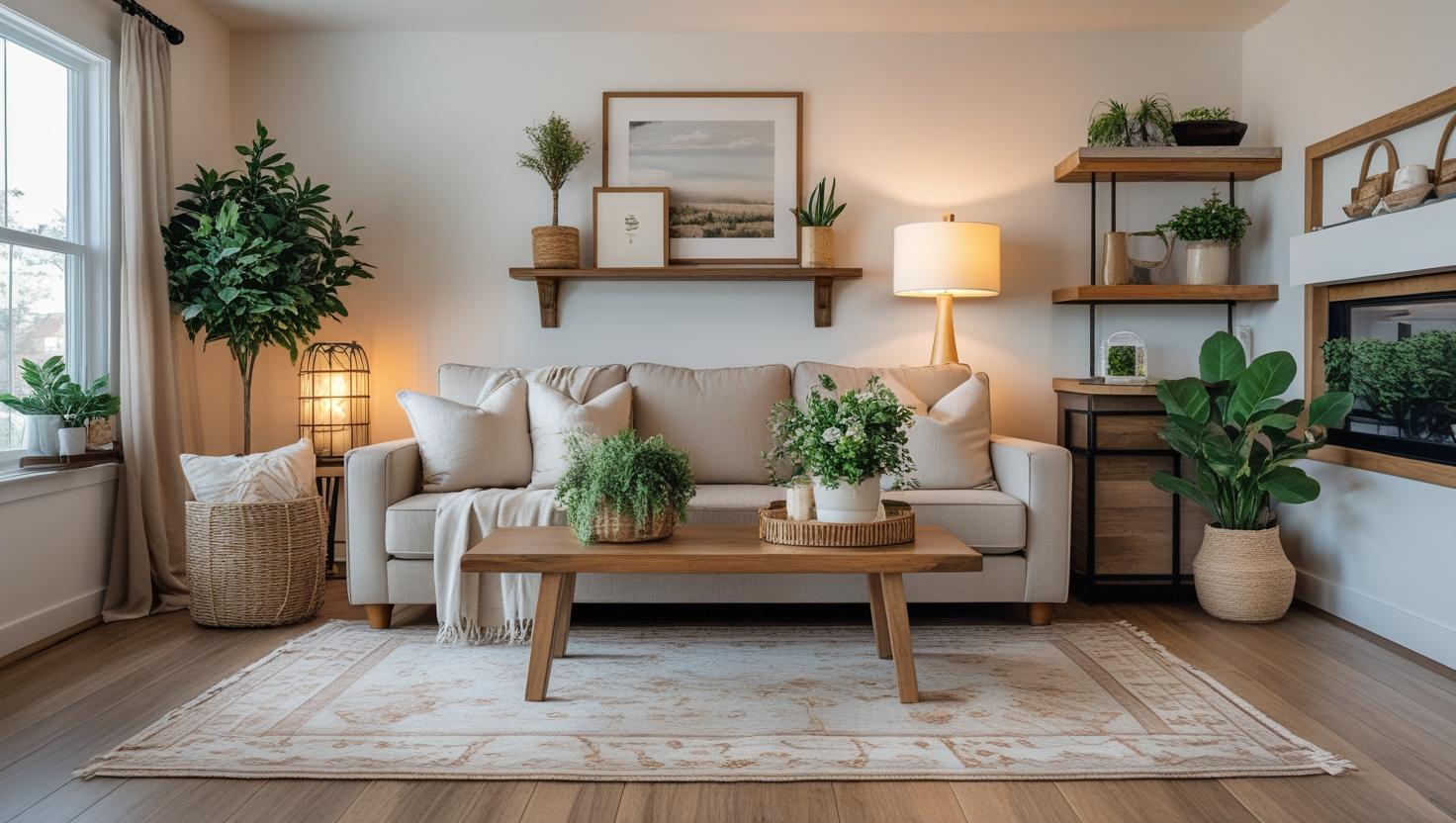
7 Transformative Ideas for Designing a Minimalist Living Room That Reflects Modern Elegance
In today’s fast-paced world, more people are choosing simplicity and tranquility in their home environments. One of the best places to embrace this philosophy is your minimalist living room. A minimalist approach removes clutter and distractions, creating a serene and purposeful space that promotes peace and relaxation.
1. Start with a Clean and Neutral Color Palette
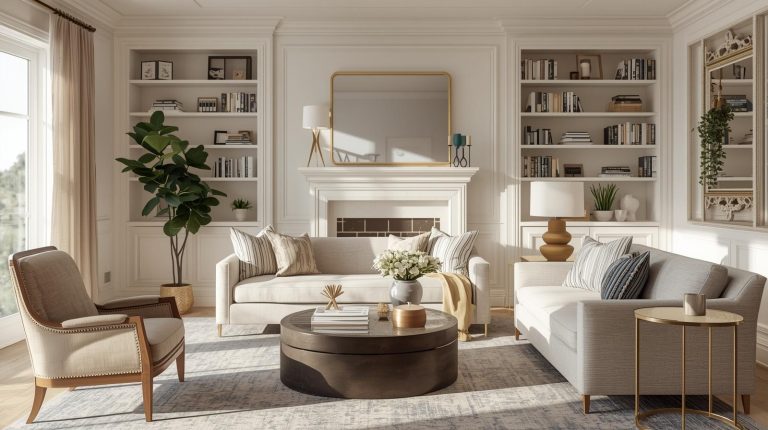
A core principle of any minimalist living room is a calm and neutral color scheme. Soft whites, beiges, grays, and muted earth tones create a blank canvas that allows furniture and architectural elements to shine. These hues make your space feel open, light, and calm.
Design Tip: If you want to add warmth or texture, use natural materials like wood, rattan, or linen in similar neutral tones. This keeps the look cohesive while adding depth.
2. Choose Functional, Quality Furniture Over Quantity
Instead of overloading your living room with decorative items or oversized furniture, choose just a few high-quality pieces. Look for clean lines, simple silhouettes, and multipurpose items that serve both comfort and function.
Example: A sleek low-profile sofa with built-in storage or a coffee table that doubles as a bookshelf supports both function and minimalism.
3. Keep Decor Intentional and Minimal
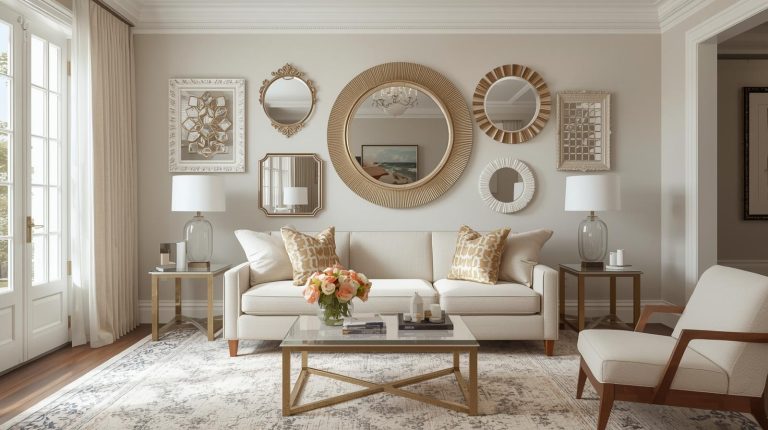
Decorating a minimalist living room doesn’t mean leaving it bare—it means every piece has a purpose. Focus on art, plants, and objects that bring value or joy, and leave out the rest. Limit wall art to one or two larger pieces instead of multiple small frames.
Try This: A single statement mirror or abstract canvas art piece adds interest without overwhelming the space.
4. Let in Natural Light and Use Sheer Window Treatments
Natural light is essential in minimalist design. Remove heavy curtains and replace them with sheer or light-filtering fabrics. Large, unobstructed windows can make the space feel more expansive and fresh.
Bonus Tip: Use light-reflective surfaces like glass tables or metallic accents to bounce light and make the room feel brighter.
5. Integrate Smart Storage Solutions
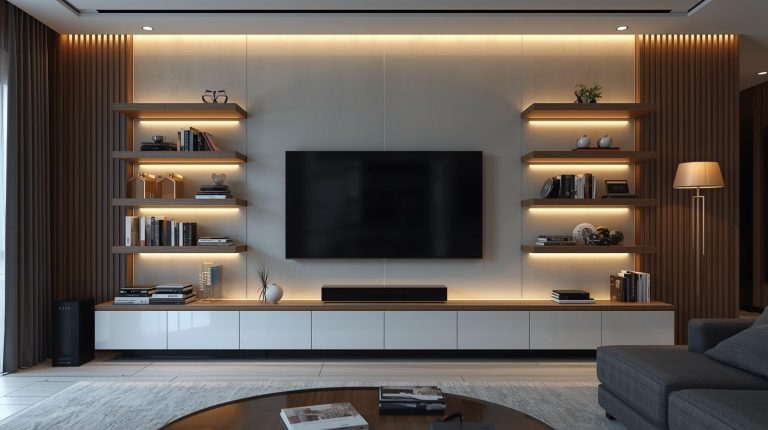
To maintain a clutter-free environment, storage must be smart and hidden. Opt for storage ottomans, TV units with drawers, and wall-mounted shelves that keep everyday items out of sight but within reach.
Pro Tip: Built-in cabinetry painted the same color as your walls creates a seamless look and helps maintain minimal visual distraction.
6. Add Texture Through Materials, Not Clutter
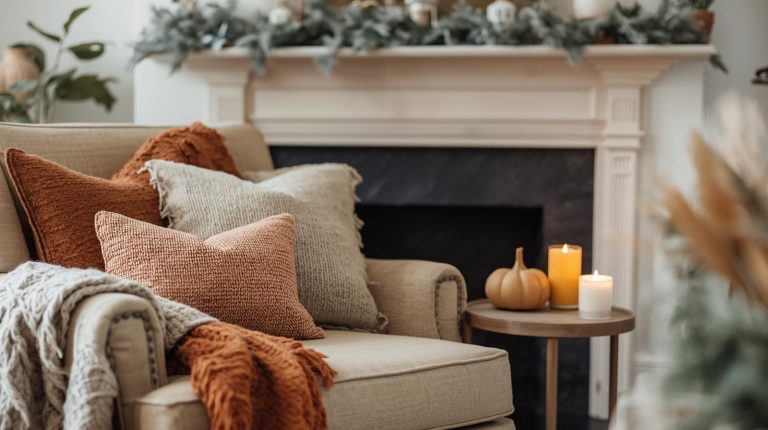
One of the most common misconceptions about minimalism is that it has to feel cold or sterile. You can add character and comfort through a variety of textures—such as soft wool throws, chunky knit pillows, or woven rugs.
Balance Is Key: Keep the number of textures limited and stick with a consistent color scheme to avoid visual chaos.
7. Use Greenery to Breathe Life into the Room
Houseplants are an excellent way to bring life to a minimalist living room without overpowering its simplicity. Choose low-maintenance plants like snake plants, pothos, or succulents, and place them in simple ceramic or clay pots.
Visual Anchor: One large indoor plant in a corner can act as a statement piece while staying true to minimalist values.


How to Transition to Minimalism (Step-by-Step)
If you’re starting from a traditionally decorated living room, here’s how to ease into minimalism:
Step 1: Remove Everything
Start with a blank slate. Remove all furniture and decor, then bring pieces back one at a time—only if they serve a purpose or spark joy.
Step 2: Choose a Neutral Base
Pick a calming base color (white, beige, or light gray) for your walls and major furniture pieces.
Step 3: Limit Decorative Items
Stick to 3–5 key decorative items: one artwork, one lamp, one plant, and maybe a statement rug.
Step 4: Add Soft Textures
Minimal doesn’t mean cold. Add warmth through linen cushions, wool throws, jute rugs, and wooden elements.
Step 5: Maintain the Space
Make it a habit to review your space weekly. Keep flat surfaces clean, remove any excess, and resist the urge to overdecorate.


Final Thoughts
A minimalist living room isn’t about creating an empty space. It’s about crafting a calming, functional, and elegant room where you can truly relax. With the right combination of design principles—neutral palettes, clean lines, thoughtful storage, and curated accents—you can transform your space into a peaceful sanctuary.
Minimalism is more than a style. It’s a lifestyle that reflects mindfulness and intentionality. Begin your journey toward simplicity today by reimagining your living room with these practical tips and timeless design rules.